
Uncategorized
Security Solutions for Events & Venues Explained Guide
Mar
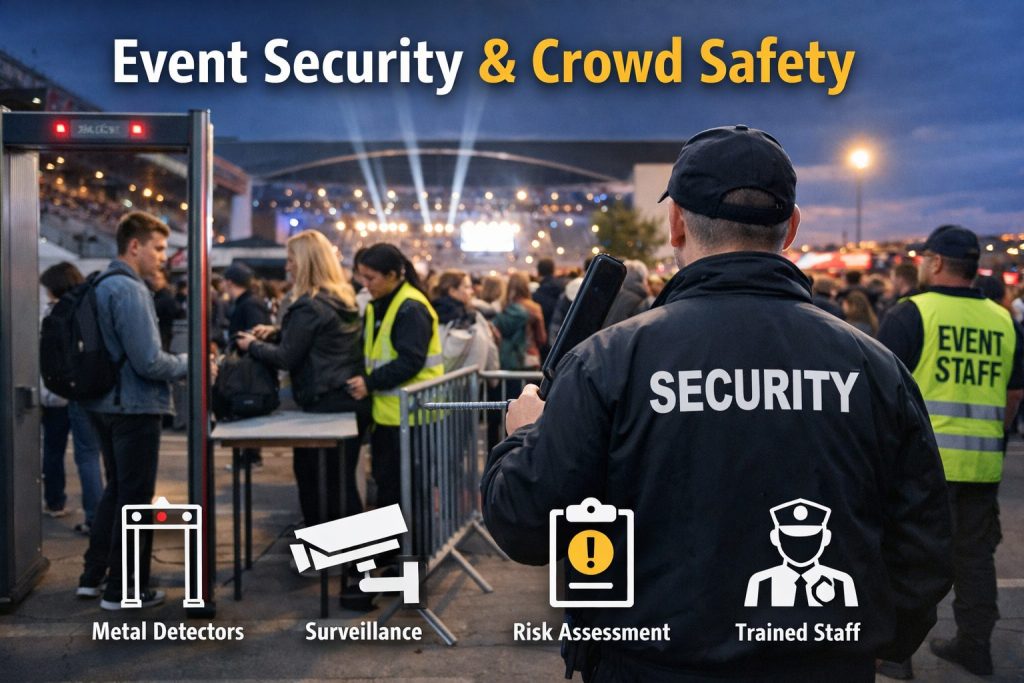
Planning safe gatherings is a top priority for organizers, venue managers, and local authorities. From concerts and sports matches to conferences and community festivals, strong event security helps protect visitors, staff, and assets. Modern safety strategies combine trained personnel, clear planning, and advanced screening tools to reduce risks without slowing down entry.
This guide explains how security systems work in real settings, what technologies are commonly used, and how organizers can choose solutions that match the size and nature of their events. It also looks at how screening technology keeps large crowds safe while maintaining a smooth visitor experience.
Why Security Planning Matters for Events
Large gatherings bring together thousands of people in one place, which increases the need for careful risk management. Security planning helps prevent incidents, manage emergencies, and maintain order.
Industry reports show that venues with structured safety plans respond faster to issues and reduce disruptions. Beyond physical safety, visible measures also help visitors feel more comfortable, which improves the overall event experience.
Effective event security starts long before the doors open. It involves risk assessments, coordination with local services, and clear communication among staff.
Core Components of Event Security
Risk Assessment and Planning
Before an event, organizers identify possible threats, crowd size, entry points, and emergency exits. This helps determine staffing levels and equipment needs.
Access Control
Managing who enters and exits is one of the most important steps. Ticket scanning, ID checks, and controlled entry lanes reduce unauthorized access.
Surveillance and Monitoring
Cameras and monitoring teams provide real-time visibility across the venue. This helps detect unusual activity and coordinate responses.
Emergency Preparedness
Clear evacuation routes, trained staff, and communication systems ensure quick action if an incident occurs.
How Security Screening Technology Works
Screening technology is designed to detect prohibited items and manage entry flow efficiently. The goal is to identify risks while keeping wait times short.
Most venues use a mix of manual checks and automated tools. The screening process usually includes bag inspection, walkthrough checks, and monitoring systems. These layers work together to improve accuracy and speed.
Advanced systems can also integrate with visitor management software, allowing teams to track entry numbers and adjust staffing in real time.
Key Technologies Used in Modern Venues
Walkthrough Screening Systems
Walkthrough gates are widely used to scan individuals as they enter. These systems can quickly detect metal objects and trigger alerts for further checks.
Handheld Screening Devices
Security staff often use handheld tools to inspect items or follow up on alerts. They provide flexibility and are useful for targeted checks.
Metal Detection Solutions
Many venues rely on metal detectors for events to identify prohibited items efficiently. These tools are especially helpful at concerts, sports arenas, and high-attendance gatherings where quick throughput is essential.
Surveillance and Analytics
Modern cameras with analytics help monitor crowd movement and detect unusual patterns. This allows teams to act before minor issues escalate.
